
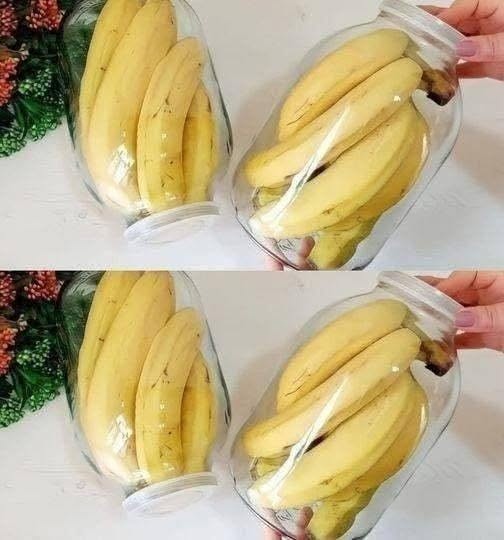
Bananas are one of the most popular fruits in the world, loved for their natural sweetness, versatility, and convenience. Yet anyone who buys them regularly knows the frustration of watching a perfectly yellow bunch turn brown, mushy, and overripe within just a few days.
Many households end up throwing away bananas every week, creating unnecessary food waste and wasting money. While freezing is a common solution, there is another preservation technique that allows bananas to be stored for an incredibly long time while developing a unique sweet-and-savory flavor profile.
This traditional preservation method transforms fresh bananas into a shelf-stable pantry item that can last for months—or even years—when properly prepared and stored.
Why Bananas Spoil So Quickly
Bananas naturally produce ethylene gas, a plant hormone responsible for ripening. Once bananas begin releasing larger amounts of ethylene, the ripening process accelerates rapidly.
Warm temperatures, humidity, and storage near other fruits can speed up this process even further.
As the fruit ripens, enzymes break down starches into sugars. While this makes bananas sweeter, it also causes the flesh to soften and eventually spoil.
For many people, the window between perfectly ripe and overly ripe seems surprisingly short.
That is why preservation methods have been developed in various cultures to extend the usability of this popular fruit.
A Different Approach to Banana Preservation
Unlike freezing or dehydrating, this method creates a pickled and preserved banana product that combines sweet, spicy, tangy, and aromatic flavors.
The bananas remain shelf-stable because they are packed in a carefully prepared brine and heat-processed in sealed jars.
