
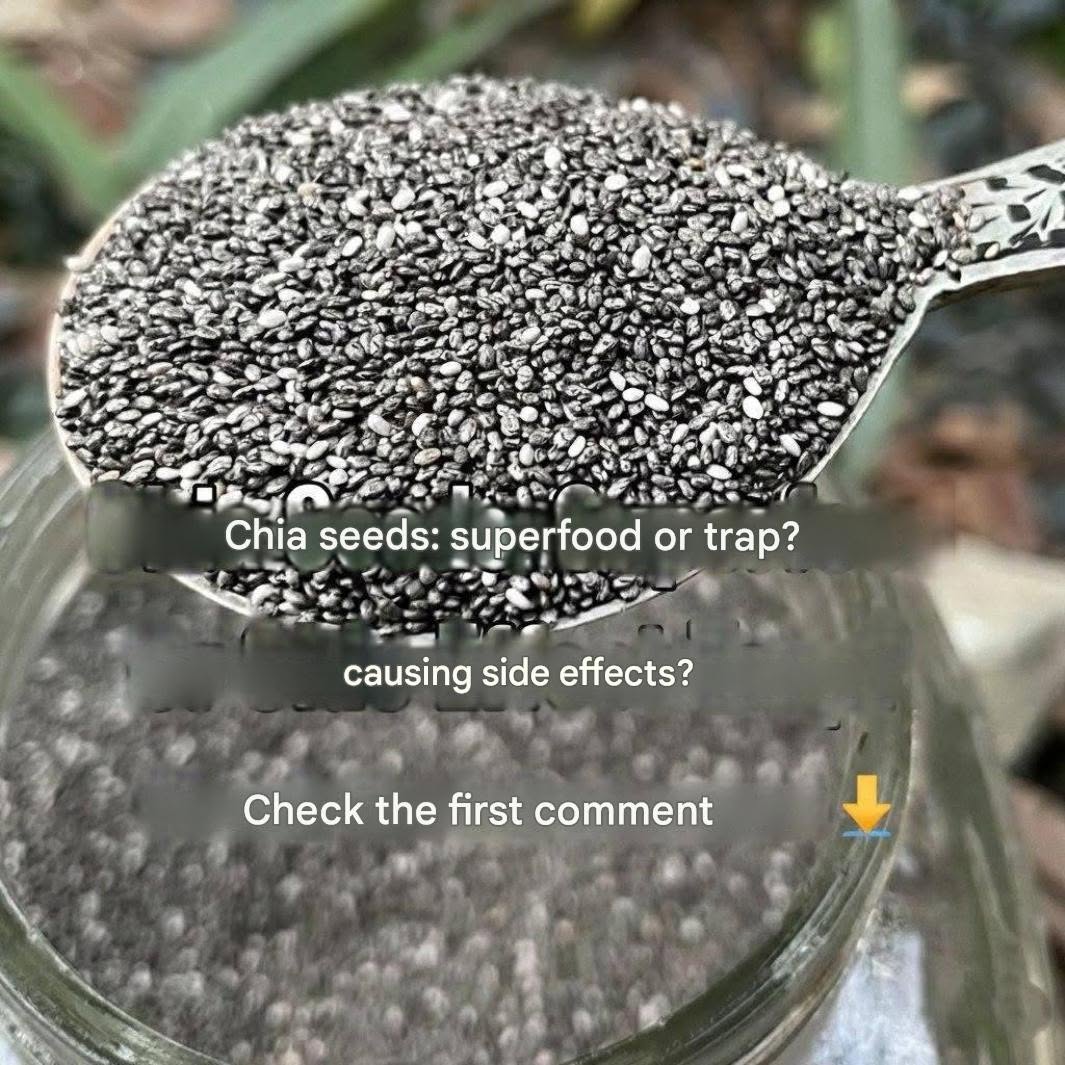
Indeed, dried seeds can absorb up to 27 times their weight in water, creating a gelatinous mass that can accumulate in the esophagus and cause choking. It is therefore important to soak or roast them before eating.
3. Risk of inhibiting blood clotting.
Chia seeds are rich in omega-3 fatty acids, which give them natural blood-thinning properties. This can be beneficial in some cases, but if you are already taking blood thinners like warfarin, it is recommended to avoid chia seeds. Similarly, after surgery, it is best to avoid them to minimize the risk of excessive bleeding.
4. They can worsen diverticulitis. Diverticulitis is an inflammation of the diverticula, which are pouches that form in the wall of the large intestine. While a high-fiber diet can help prevent diverticulitis, consuming chia seeds during a flare-up can aggravate the condition. The small seeds can become lodged in the diverticula and cause further inflammation.
5. They can cause an allergic reaction.
People with nut or seed allergies may also be allergic to the protein in chia seeds. A 100g serving of chia seeds contains approximately 16.54g of protein, which can trigger an allergic reaction in some individuals.
Symptoms of a chia seed allergy can include skin rashes, watery eyes, vomiting, diarrhea, and breathing difficulties such as a persistent cough, wheezing, or trouble swallowing. In severe cases, this can lead to anaphylactic shock, requiring immediate medical attention.
