
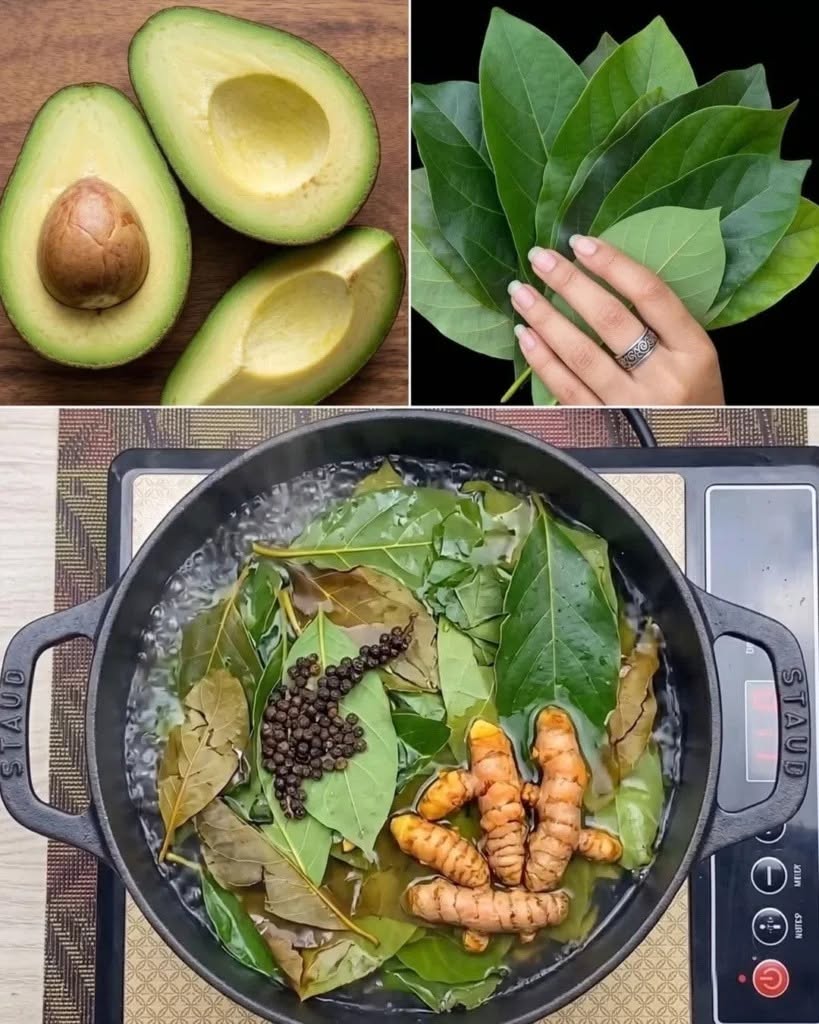
Add the leaves.
Simmer for 10–15 minutes.
Strain and enjoy warm.
Culinary Use
Dried avocado leaves can be:
Toasted
Crushed
Added to soups
Mixed into stews
Used with beans
Seasoned over grilled meats
They provide a mild anise-like flavor.
Steam Inhalation
Boil several leaves in water and carefully inhale the steam to help soothe nasal congestion.
Bath Soak
Add boiled avocado leaves to bathwater for a relaxing soak that may help ease tired muscles.
Poultice
Fresh crushed leaves have traditionally been applied externally to sore muscles or joints.
How to Dry Avocado Leaves
Wash thoroughly.
Pat dry.
Air dry for several days or use a dehydrator.
Store in an airtight container away from sunlight.
Storage
Fresh leaves: Refrigerate for up to 1 week.
Dried leaves: Store in an airtight container for up to 12 months.
Tips
Choose healthy, pesticide-free avocado leaves.
Older leaves generally have a stronger flavor.
Toast dried leaves briefly before cooking to enhance aroma.
Use in moderation.
Safety Considerations
While avocado leaves have a long history of traditional use, it’s important to be aware of the following:
Not all avocado varieties are equally safe. Some varieties contain higher levels of a natural compound called persin, which can be toxic to many animals and whose effects in humans are not fully understood.
There is limited high-quality human research confirming many of the claimed medicinal benefits.
Pregnant or breastfeeding individuals, people taking medications (especially for diabetes or blood pressure), or those with chronic medical conditions should consult a healthcare professional before using avocado leaves medicinally.
Never consume leaves that may have been treated with pesticides or chemicals.
Frequently Asked Questions
Can you drink avocado leaf tea every day?
Occasional consumption is generally considered traditional practice, but there isn’t enough scientific evidence to recommend daily medicinal use.
Do avocado leaves help with diabetes?
Some laboratory and animal studies are promising, but there is not enough human evidence to recommend avocado leaves as a diabetes treatment.
Can avocado leaves lower blood pressure?
They contain potassium and antioxidants that may support cardiovascular health, but they should not replace prescribed blood pressure medication.
Are avocado leaves edible?
Yes, certain varieties have traditionally been used in cooking, especially dried Mexican avocado leaves. However, not every avocado variety is recommended for culinary use.
Conclusion
Avocado leaves are a versatile traditional ingredient valued for both cooking and herbal preparations. They contain antioxidants and beneficial plant compounds that may support general health, and they remain an important part of several culinary traditions. While early research is encouraging, many medicinal claims have yet to be confirmed by large human studies. Used responsibly and in moderation, avocado leaves can be an interesting addition to a healthy lifestyle, but they should complement—not replace—evidence-based medical care.
