
7. Balances Blood SugarFoods Rich in Magnesium
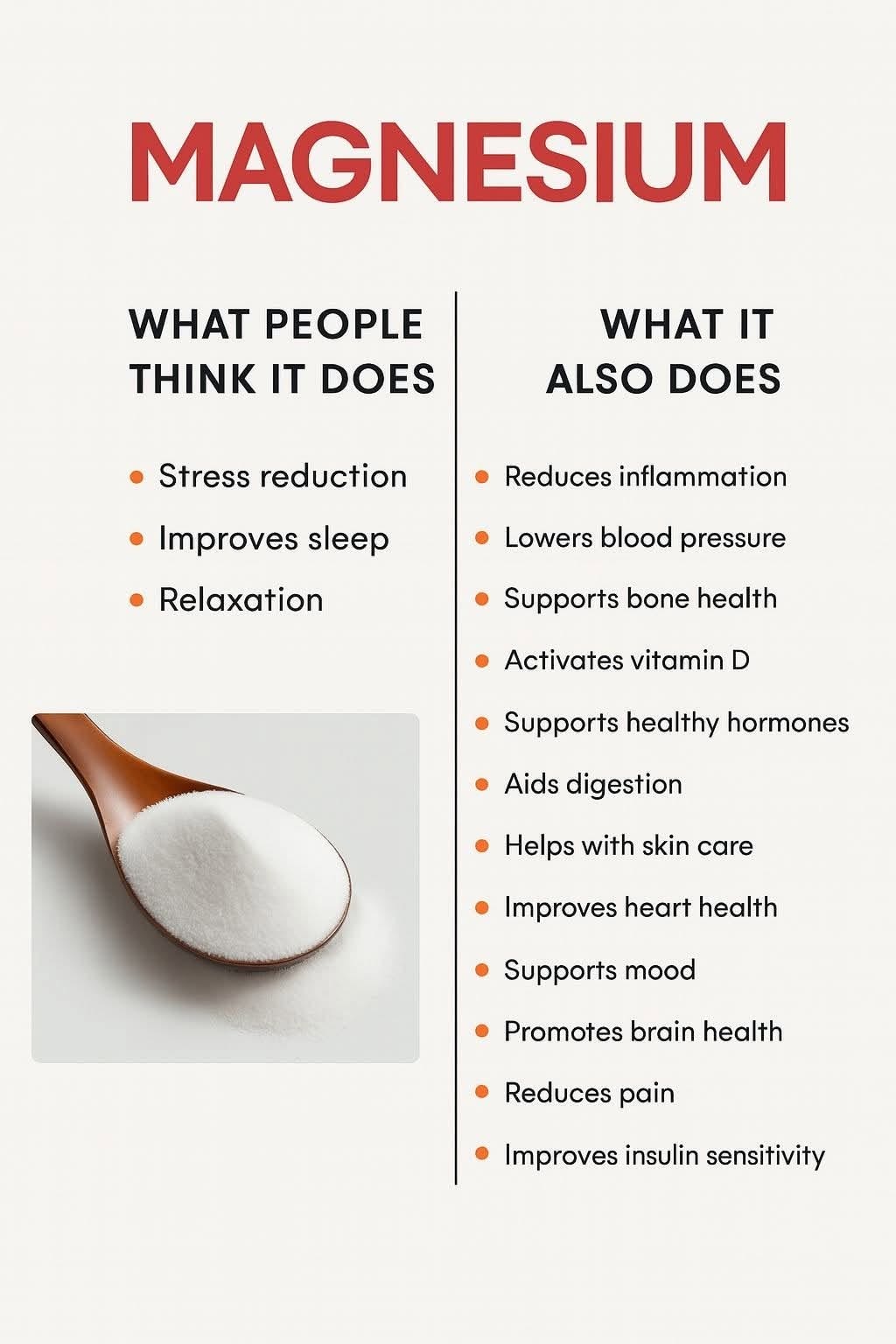
Magnesium improves insulin sensitivity, which helps regulate your blood sugar levels that people with higher magnesium intake have a lower risk of developing type 2 diabetes.
Some experts recommend magnesium-rich diets as part of managing prediabetes, since it helps the body process carbohydrates more efficiently.
Foods Rich in Magnesium
Dark Leafy Greens (Spinach, Swiss Chard, Kale): A single cup of cooked spinach provides about 150 mg of magnesium, nearly half the daily requirement for women. Leafy greens also provide chlorophyll, which contains magnesium at its core.
Pro Tip: These greens are best lightly steamed to preserve nutrients.
Nuts and Seeds (Almonds, Pumpkin Seeds, Sunflower Seeds): Just 1 ounce (about a handful) of pumpkin seeds packs 150–170 mg of magnesium. Almonds and sunflower seeds are also rich in magnesium and healthy fats, making them ideal as snacks.
Legumes (Black Beans, Lentils, Chickpeas): One cup of cooked black beans contains about 120 mg of magnesium. Legumes are also high in fiber and plant protein, making them a heart-friendly option.
Whole Grains (Quinoa, Brown Rice, Oats): Quinoa is particularly impressive, with one cup cooked providing 118 mg of magnesium. Oats and brown rice also contribute significantly when included in daily meals.
Dark Chocolate: Yes, your favorite treat is also a magnesium star. A 1-ounce piece of dark chocolate (70–85% cocoa) provides around 65 mg of magnesium, plus antioxidants.
Fatty Fish (Mackerel, Salmon, Halibut): A serving of mackerel delivers 80–90 mg of magnesium, along with omega-3 fatty acids that further support heart and brain health.
Fish also contains vitamin D, which works hand in hand with magnesium to strengthen bones and improve calcium absorption.Natural Supplements For MagnesiumNatural Supplements For Magnesium
There are natural supplements and even oils that can help boost magnesium levels when diet alone isn’t enough. Magnesium supplements are available in forms like magnesium citrate, glycinate, and oxide, with citrate and glycinate being the most easily absorbed and gentle on the stomach.
Beyond pills and powders, you can use magnesium oil, made from magnesium chloride flakes mixed with water, which is applied topically to the skin. Many people use magnesium oil sprays on their legs or feet before bed to ease muscle cramps and promote better sleep.
Pro Tip: Always start with small amounts, as magnesium oil can cause a mild tingling sensation at first; applying it after a shower helps improve absorption.
Now you know almost all about magnesium in your diet. So, dont wait to introduce it to your diet, and also let us know how it helped you!
