
Storage and Reheating
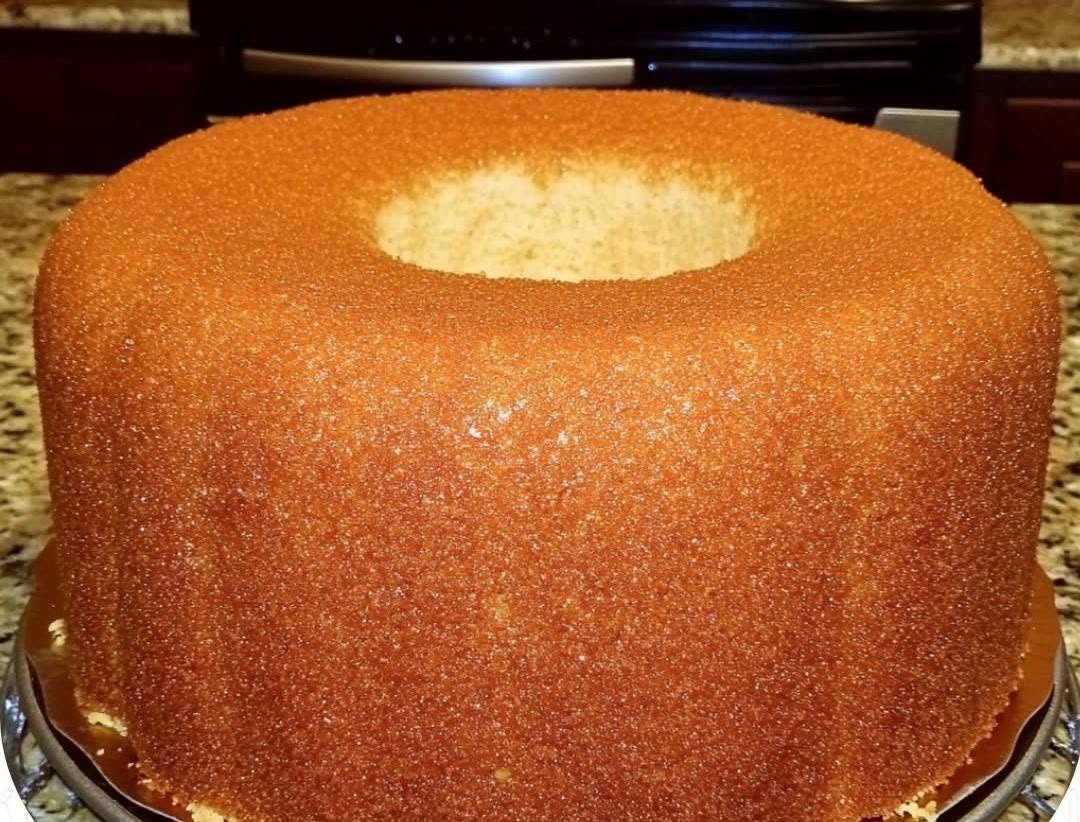
Proper storage is key to keeping your Mile High Lemon Pound Cake fresh, moist, and delicious for as long as possible. Once the cake has completely cooled and the glaze (if used) has set, store it at room temperature in an airtight container or under a cake dome. This will protect it from drying out and absorbing other odors. Stored this way, the pound cake will remain fresh and delightful for 3-4 days. Avoid refrigerating the cake unless absolutely necessary, as the cold air can dry it out and alter its texture, making it denser and less tender. If you must refrigerate, ensure it’s tightly wrapped to minimize moisture loss.
For longer storage, this lemon pound cake freezes beautifully. To freeze, ensure the cake is completely cooled and ungrazed. Wrap individual slices or the entire cake tightly in plastic wrap, then wrap again in aluminum foil. This double layer of protection prevents freezer burn. Label with the date. The cake can be frozen for up to 2-3 months. To thaw, simply unwrap the cake and let it sit at room temperature for several hours (slices will thaw faster than a whole cake) until completely defrosted. You can then glaze it if desired.
Reheating is generally not recommended for pound cake, as it’s best enjoyed at room temperature for optimal texture and flavor. However, if you prefer a slightly warm slice, you can gently warm individual slices in the microwave for 10-15 seconds, or in a preheated oven at 250°F (120°C) for about 5-10 minutes. Be careful not to overheat, as this can dry out the cake. If the cake was frozen, ensure it is fully thawed before attempting to warm it. The glaze should ideally be applied after thawing if you plan to freeze the cake, as freezing can sometimes make glazes weep or become sticky upon thawing.
Frequently Asked Questions
Why did my pound cake sink in the middle?
There are several common reasons a pound cake might sink. Overmixing the batter is a frequent culprit, as it develops too much gluten, leading to a weak structure. Opening the oven door too early during baking can also cause a sudden temperature drop, making the cake collapse. Insufficient baking time, where the center isn’t fully cooked, will also result in a sunken cake. Lastly, using too much leavening agent (like baking powder) or having ingredients that are not at room temperature can disrupt the cake’s structure.
Can I make this pound cake without a Bundt pan?
Yes, you can! While the Bundt pan gives it its signature impressive shape, you can bake this pound cake in other pans. A 10-inch tube pan (angel food cake pan) or two 9×5-inch loaf pans would work. If using loaf pans, reduce the baking time to approximately 50-60 minutes, or until a skewer comes out clean. Be sure to grease and flour these pans just as thoroughly as you would a Bundt pan.
What’s the difference between cake flour and all-purpose flour for pound cake?
While this recipe uses all-purpose flour for a sturdy yet tender crumb, cake flour has a lower protein content, which results in an even finer, softer, and more tender crumb. If you want a truly delicate pound cake, you can substitute 2 1/2 cups of cake flour for the 3 cups of all-purpose flour in this recipe. However, all-purpose flour provides a classic pound cake texture that is dense yet moist, which many prefer.
My lemon glaze is too thick/thin. How do I fix it?
Adjusting glaze consistency is easy! If your glaze is too thick, gradually add more lemon juice, a teaspoon at a time, whisking well after each addition, until it reaches your desired pourable consistency. If it’s too thin, sift in more powdered sugar, a tablespoon at a time, until it thickens up. Remember, you want a glaze that drizzles slowly and coats the cake nicely, not one that runs off too quickly.
