
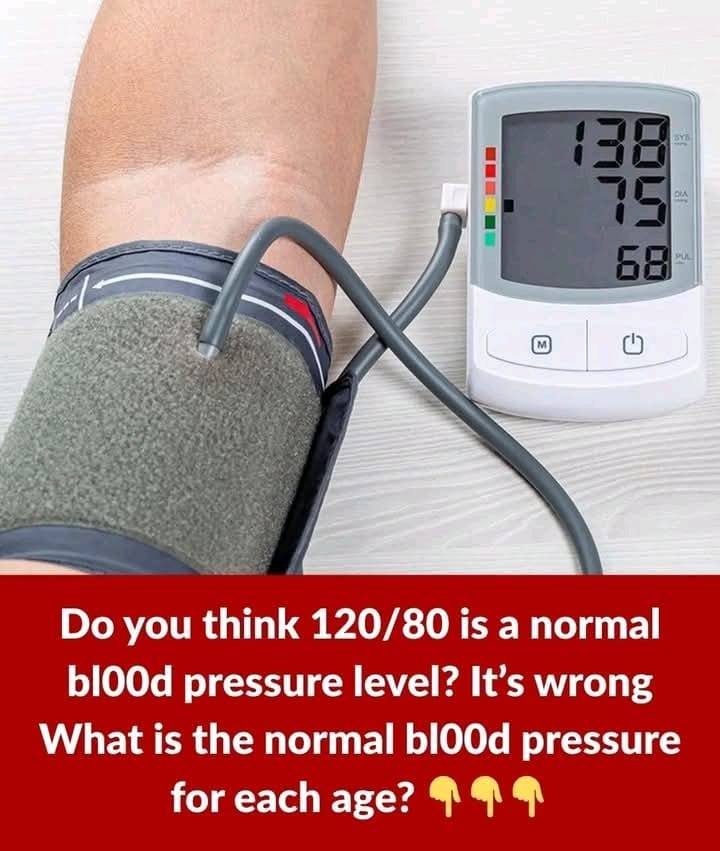
What Is the Normal Blood Pressure for Each Age? 🩺
Blood pressure is one of the most important indicators of overall health. It measures the force of blood pushing against the walls of your arteries as the heart pumps.
Doctors usually express blood pressure using two numbers:
- Systolic pressure → the top number
(pressure when the heart beats) - Diastolic pressure → the bottom number
(pressure when the heart rests between beats)
For example:
120/80120/80
A healthy blood pressure helps reduce the risk of:
- Heart disease
- Stroke
- Kidney damage
- Vision problems
However, “normal” blood pressure can vary slightly depending on age, health condition, and lifestyle.
What Is Considered Normal Blood Pressure?
According to the American Heart Association and many international health organizations:
| Category | Blood Pressure |
|---|---|
| Normal | Less than 120/80 mmHg |
| Elevated | 120–129 / less than 80 |
| High Blood Pressure (Stage 1) | 130–139 / 80–89 |
| High Blood Pressure (Stage 2) | 140/90 or higher |
| Hypertensive Crisis | Above 180/120 |


Average Blood Pressure by Age
While healthy adults ideally remain under:
120/80120/80
blood pressure tends to rise gradually with age because arteries naturally become stiffer over time.
Here are commonly observed average ranges:
| Age Group | Average Blood Pressure |
|---|---|
| Children (6–13 years) | 90/60 to 105/70 |
| Teenagers (14–19 years) | 105/73 to 120/81 |
| Young Adults (20–39 years) | 111/70 to 122/78 |
| Adults (40–59 years) | 119/79 to 131/86 |
| Seniors (60+ years) | 130/80 to 145/90 |
These numbers are approximate and may vary between individuals.


Why Blood Pressure Often Increases With Age
As people grow older:
- Arteries lose elasticity
- Blood vessels stiffen
- Plaque buildup may occur
This can force the heart to work harder to push blood through the body.
Other factors that may contribute include:
- Weight gain
- Lack of exercise
- High salt intake
- Stress
- Smoking
- Diabetes
Symptoms of High Blood Pressure
High blood pressure is often called:
“The Silent Killer”
because many people have no symptoms for years.
However, severe hypertension may cause:
- Headaches
- Dizziness
- Blurred vision
- Chest pain
- Shortness of breath
- Nosebleeds


The only reliable way to know your blood pressure is to measure it regularly.
What About Low Blood Pressure?
Low blood pressure is generally considered below:
90/6090/60
Some people naturally have low blood pressure without problems.
But if it becomes too low, symptoms may include:
- Fainting
- Weakness
- Fatigue
- Confusion
- Cold skin
Low blood pressure may sometimes result from:
- Dehydration
- Blood loss
- Certain medications
- Heart problems
Best Ways to Maintain Healthy Blood Pressure
Experts recommend several lifestyle habits to help control blood pressure naturally.
Healthy Habits Include:
- Exercising regularly
- Eating more fruits and vegetables
- Reducing salt intake
- Maintaining healthy weight
- Sleeping well
- Avoiding smoking
- Limiting alcohol
- Managing stress


Even small lifestyle improvements may significantly benefit heart health over time.
Foods That May Help Support Healthy Blood Pressure
Some foods rich in:
- Potassium
- Magnesium
- Fiber
may help support cardiovascular health.
Examples include:
- Bananas
- Leafy greens
- Oats
- Beans
- Yogurt
- Nuts
Reducing ultra-processed foods and excessive sodium is also important.
When Should You See a Doctor?
Medical advice is important if:
- Blood pressure stays consistently high
- Readings exceed 140/90
- You experience chest pain or severe symptoms
- Blood pressure suddenly changes dramatically
People with:
Type 2 Diabetes
or kidney disease may require stricter blood pressure control.
Final Thoughts
Normal blood pressure changes somewhat with age, but maintaining healthy levels remains extremely important throughout life.
Regular monitoring, healthy habits, physical activity, and proper nutrition can help protect:
- The heart
- Brain
- Kidneys
- Blood vessels
